
Hurricane Damage Claim Denied? You Still Have Options.
Property insurance claims should cover the full cost of restoring your home — but many fall short.
24+ years of insurance claim litigation experience
HURRICANE DAMAGE CLAIM DENIED — FLORIDA
Has Your Hurricane Damage Claim Been Denied in Florida?
A denial after a hurricane can feel like a dead end — it isn’t. Florida Advocates reviews denied hurricane claims and works to recover what your policy actually covers. Many denials are based on incomplete inspections or misapplied exclusions.
Page reviewed and approved by Carlos D. Cabrera, Esq., Florida-licensed property damage attorney with 24 years of insurance claim denial experience.
26+ Years Experience
$100M+ Recovered
Former Insurance Defense Attorneys
No Win, No Fee
Free Consultation
Why Insurance Companies Deny Hurricane Damage Claims — And Why Many Denials Can Be Overturned
After a hurricane, many homeowners expect their insurance to step in — only to receive a denial letter. That denial is not final. In Florida, a large number of hurricane-related claim denials are based on incomplete inspections, incorrect assumptions about the cause of damage, or overly broad policy interpretations.
Common reasons hurricane claims are denied include:
-Disputed cause of damage (wind vs. flood)
-Flood exclusions applied to wind-driven rain damage
-Allegations of pre-existing damage
-Insufficient documentation at the time of filing
-Missed reporting deadlines
-Damage falling below hurricane deductible thresholds
-Policy lapse or coverage disputes
-Improper application of exclusions
Many of these denial reasons can be challenged. With an independent engineering inspection, proper documentation, and a detailed policy review, it is often possible to overturn a denial and recover what your policy provides.
01
What to Do When Your Hurricane Damage Claim Is Denied
1st
Read your denial letter carefully — identify the insurer’s reasoning
2nd
Preserve all documentation (photos, reports, emails, estimates)
3rd
Keep records of all communication with your insurer
4th
Be aware of Florida deadlines under HB 837
5th
Request copies of your full policy if needed
6th
Contact a property damage attorney for review
What yo should NOT do:
Do not assume the denial is correct or final
Do not give recorded statements without legal advice
Do not accept partial payments without understanding your rights
Do not discard evidence or documentation
02
How Florida Advocates Handles Denied Hurricane Damage Claims
Our first step is reviewing your insurance policy alongside the denial letter. We compare what the insurer claims against what the policy actually states, identifying gaps, misinterpretations, or unsupported conclusions.
We then build your case using independent engineers, contractors, and storm damage experts. We document the full extent of your loss and challenge the denial through supplemental claims, formal appeals, and, when necessary, litigation.
When insurers deny valid hurricane claims to limit payouts, Florida law may classify that behavior as bad faith liability. In those situations, homeowners may be entitled to recover damages beyond the original claim value.
Your Roof Damage Claim Is Reviewed by an Experienced Florida Property Attorney
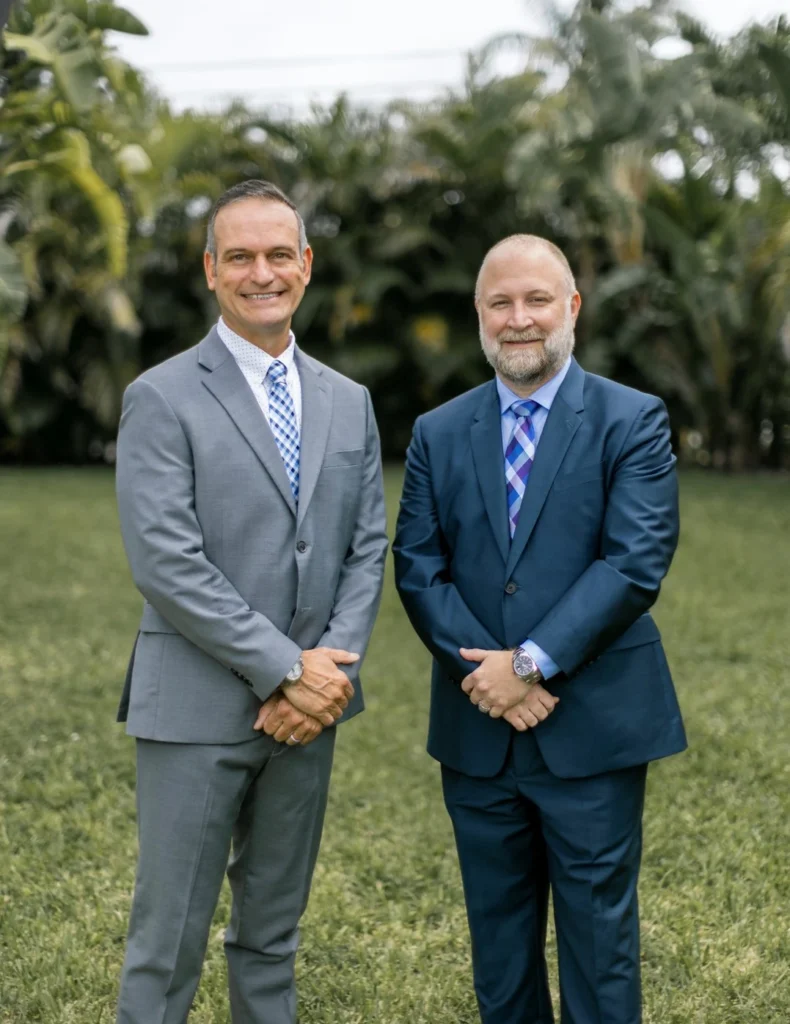
CARLOS D. CABRERA, ESQ.
Lead Property Damage Attorney
24 Years Experience | Former Insurance Defense Counsel | Million Dollar Advocates Forum | Florida Legal Elite | Bilingual (English/Spanish)
Page reviewed and approved by Carlos D. Cabrera, Esq., Florida-licensed property damage attorney with 24 years of experience.
Carlos D. Cabrera is Florida Advocates’ lead property damage attorney, bringing 24 years of experience and a rare perspective — he spent years defending insurance companies before switching to represent the policyholders they denied. He has recovered millions of dollars for Florida homeowners, condo owners, and businesses whose insurance claims were denied, delayed, or underpaid. Carlos is a member of the prestigious Million Dollar Advocates Forum, has been recognized by Florida Legal Elite, and is fully bilingual in English and Spanish, allowing him to serve Florida’s diverse communities.
Notable Results:
- $3,000,000 — Condo fire damage recovery
- $1,000,000 — Waterfront restaurant hurricane claim
- $750,000 — Restaurant fire (neighboring property fault)
SETTLEMENT RESULTS
Denied Claims We've Successfully Overturned
- These results show what's possible when a denied claim is properly challenged.

Property Damage
Property Damage
Property Damage
- Attorney Advertising. Prior results do not guarantee a similar outcome.
Denied Hurricane Damage Claim Questions — Answered by Florida Property Attorneys

Carlos D. Cabrera, ESQ.
Florida Advocates,
Can I appeal a denied hurricane insurance claim in Florida?
Yes. A denial is not final. You can challenge it through supplemental claims, formal appeals, or litigation depending on your policy and the reason for denial. Many claims are overturned once additional documentation or expert analysis is provided. Acting quickly is key due to strict deadlines.
What if my insurer says the damage was caused by flooding, not wind?
This is one of the most common denial tactics. Insurers often classify damage as flooding to avoid coverage. However, wind-driven rain and structural wind damage may still be covered. Independent engineering reports can clarify the true cause and support your claim.
How long do I have to challenge a denied hurricane claim in Florida?
Under HB 837, you generally have 1 year from the date of loss to file a claim and 18 months for supplemental claims. These deadlines are strictly enforced. Missing them can prevent recovery entirely, so timing matters.
Does hiring a hurricane damage lawyer help with a denied claim?
Yes. Attorneys understand policy language, coverage triggers, and insurer tactics. Claims handled by legal counsel are taken more seriously and often result in higher recoveries. Many denied claims are resolved once legal pressure is applied.
What is bad faith insurance and how does it apply to denied hurricane claims?
Bad faith occurs when an insurer denies or delays a valid claim without proper justification. This includes failing to investigate or misrepresenting policy terms. In these cases, homeowners may pursue bad faith claims that go beyond the original claim value.
What should I bring to a free consultation about my denied hurricane claim?
Bring your insurance policy, denial letter, photos of damage, repair estimates, and any communication with your insurer. If you’re missing documents, that’s fine — an attorney can still review your situation and guide next steps.
No Fee Unless We Win
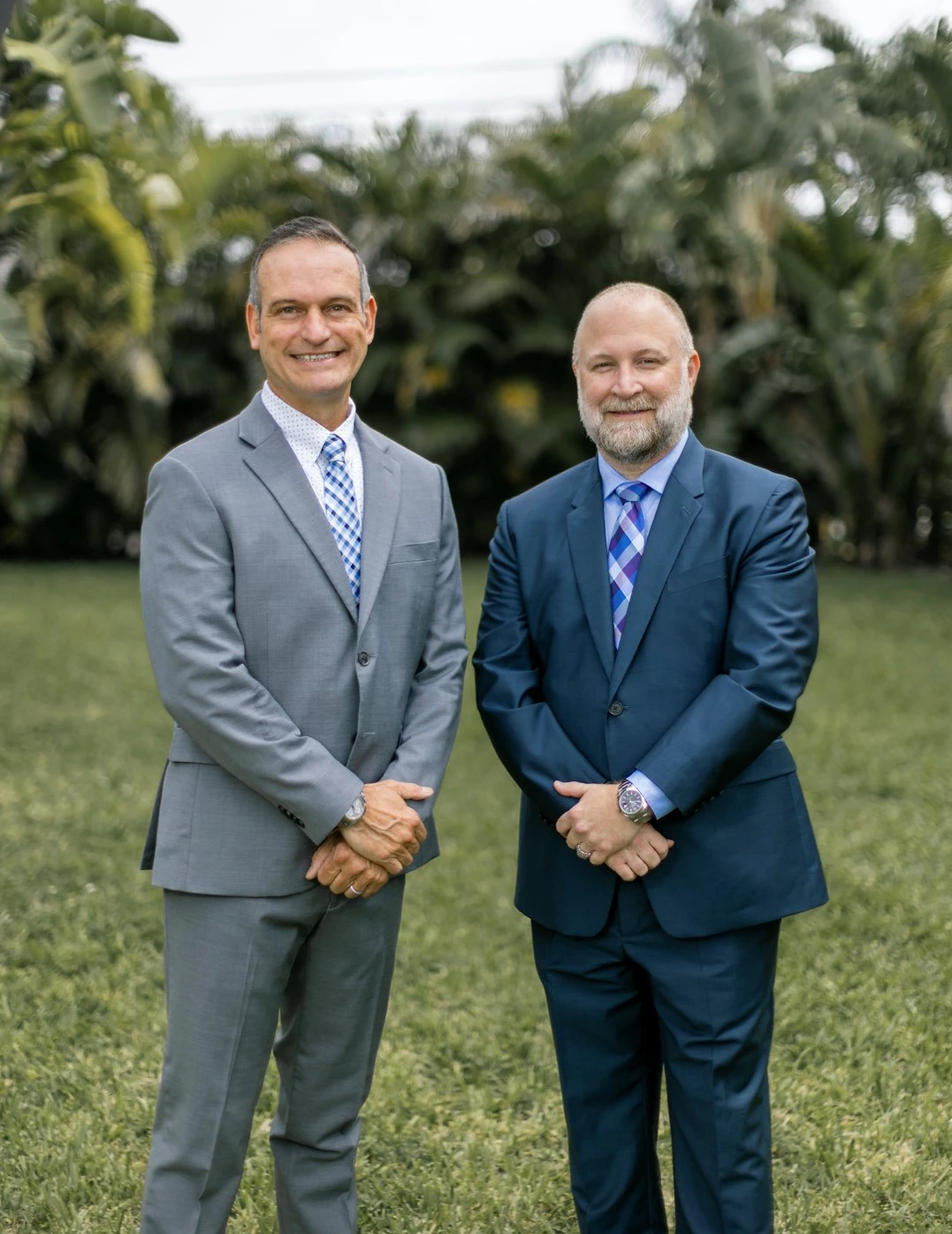
We work on a contingency fee basis:
- Free consultation — no cost to speak with us
- No upfront fees — we advance all case costs
- No attorney fees unless we recover for you
- You will never receive a bill from us while your case is active
Florida Advocates Office Locations
Dania Beach (Headquarters)
45 E Sheridan Street, Dania Beach, FL 33004
North Miami
13499 Biscayne Blvd #107, North Miami, FL 33181
Tampa
238 E Davis Blvd #210, Tampa, FL 33606
Phone: 754-263-4252
Hours: Monday – Friday 9:00 AM – 5:00 PM
Available by phone 24/7 for emergencies
Hurricane Damage Lawyers by Location
We represent commercial property owners and businesses throughout Florida:
Broward County
- Fort Lauderdale
- Dania Beach
- Hollywood
- Broward County
Miami-Dade County
- Miami
- North Miami
- Miami Beach
- Hialeah
Palm Beach County
- West Palm Beach
- Boca Raton
- Palm Beach County
Tampa Bay Area
- Tampa
- St. Petersburg
- Hillsborough County
Northeast Florida
- Jacksonville
- Duval County
Treasure Coast
- Port St. Lucie
- Fort Pierce
- Martin County
Orlando / Central Florida
- Orlando
- Orange County
- Seminole County
Southwest Florida
- Fort Myers
- Naples
- Cape Coral
- Lee County