Florida Homeowners — Your Insurance Settlement May Be Worth Significantly More Than You Were Offered
Our experienced Florida insurance attorneys review underpaid claims, identify coverage issues, and fight to maximize recovery for businesses facing financial losses.
24+ years of insurance claim litigation experience
UNDERPAID HOMEOWNER INSURANCE CLAIMS — FLORIDA
Your Homeowner Insurance Settlement May Be Worth Far More Than Your Insurer Offered
Insurance companies make their first offer based on their adjuster's estimate — not yours. Before you accept, let our property damage attorneys review your claim. In many cases, we recover significantly more than the initial settlement.
Page reviewed and approved by Carlos D. Cabrera, Esq., Florida-licensed property damage attorney with 24 years of insurance claim experience.
26+ Years Experience
$100M+ Recovered
Former Insurance Defense Attorneys
No Win, No Fee
Free Consultation
Why Insurance Companies Underpay Homeowner Claims — And How to Close the Gap
Receiving a settlement offer from your insurance company can feel like the end of the process. For many Florida homeowners, it’s actually the beginning of a problem. Initial settlements are typically based on a quick adjuster inspection and software-generated estimates that use preferred contractor rates — not what repairs actually cost in your local market.
The result is that thousands of Florida homeowners accept settlements that fall short of what’s needed to fully restore their property. They start repairs, discover hidden damage, encounter code compliance requirements, or simply find that contractor quotes are far higher than what the insurer estimated — and they’re left covering the gap out of pocket.
Common reasons homeowner insurance claims are underpaid in Florida:
-Adjuster’s estimate uses outdated or below-market contractor rates
-Hidden damage — mold, structural issues, water intrusion — missed in initial inspection
-Code upgrade costs not included in the settlement
-Depreciation applied incorrectly to repairs that should be replacement-cost covered
-Personal property losses undervalued or excluded
-Additional living expenses not fully accounted for
-Damage assessed as cosmetic when it is structural
If any of these situations apply to your claim, you may be entitled to significantly more than what your insurer offered. A supplemental claim, supported by independent documentation, can reopen and increase a settled claim in many circumstances.
01
How Florida Advocates Recovers More on Underpaid Homeowner Claims
When a client brings us an underpaid claim, we start by comparing the insurer’s estimate against the real cost of restoring the property. We work with independent engineers, licensed contractors, and damage assessors who inspect the property without any financial incentive to minimize the result.
In many cases, this independent assessment reveals damage that the insurer’s adjuster missed entirely — particularly hidden damage like water intrusion, mold, compromised structural elements, or code compliance requirements that the original estimate ignored.
Armed with this documentation, we submit a supplemental claim to the insurance company. We clearly demonstrate the gap between their original assessment and the true cost of restoration, and we hold them to what your policy requires. Most insurers respond seriously when they know an experienced property damage attorney is managing the claim.
When insurers refuse to pay what is genuinely owed, we escalate — through the appraisal process in your policy, through Florida’s Civil Remedy Notice process, or through litigation if necessary.
02
Signs Your Homeowner Insurance Settlement May Not Be Enough
You may have an underpaid claim if:
- Your contractor’s quote is significantly higher than what your insurer offered
- Repairs revealed additional damage not covered in the original settlement
- Your insurer applied depreciation in a way that reduced your payout
- Code upgrade costs were not included in your settlement
- You’ve had to pay out of pocket for repairs your policy should cover
- Your insurer settled quickly without a thorough inspection
- Your public adjuster or contractor believes the settlement is too low
- You accepted an initial payment but the full scope of damage is still not resolved
If any of these apply, contact us for a free claim review. We will tell you honestly whether your settlement is fair — or whether you have grounds to recover more.
Your Underpaid Homeowner Insurance Claim Is Handled by Experienced Florida Property Attorneys
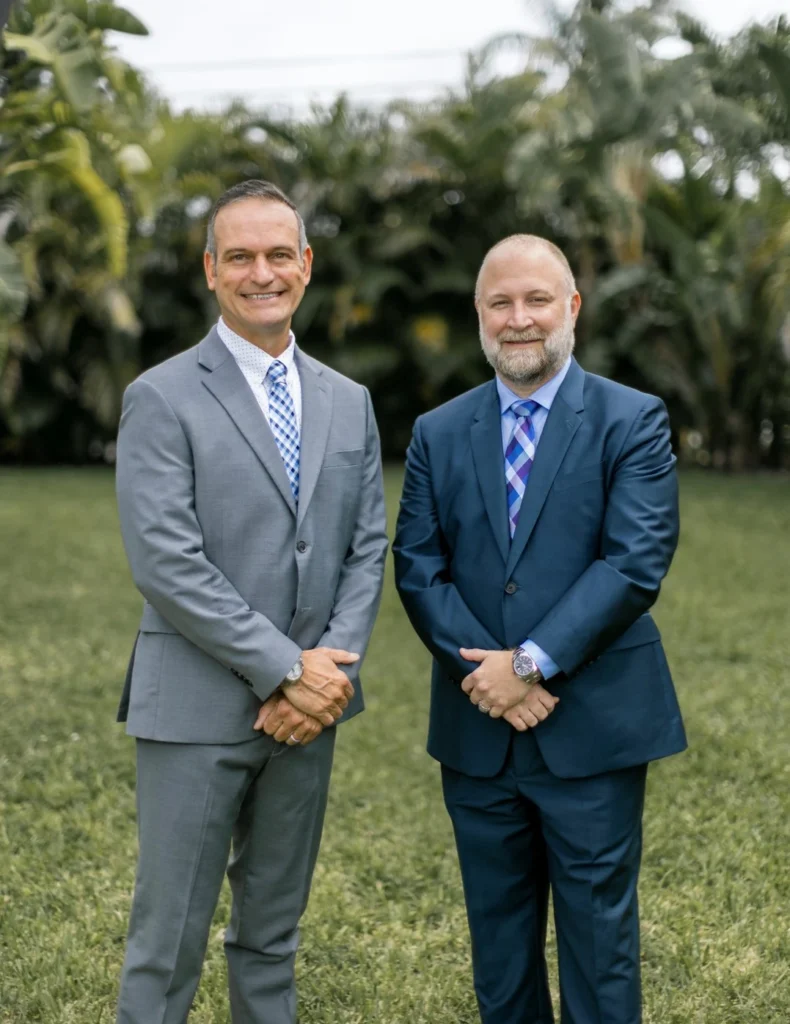
CARLOS D. CABRERA, ESQ.
Lead Property Damage Attorney
24 Years Experience | Former Insurance Defense Counsel | Million Dollar Advocates Forum | Florida Legal Elite | Bilingual (English/Spanish)
Page reviewed and approved by Carlos D. Cabrera, Esq., Florida-licensed property damage attorney with 24 years of experience.
Carlos D. Cabrera is Florida Advocates’ lead property damage attorney, bringing 24 years of experience and a rare perspective — he spent years defending insurance companies before switching to represent the policyholders they denied. He has recovered millions of dollars for Florida homeowners, condo owners, and businesses whose insurance claims were denied, delayed, or underpaid. Carlos is a member of the prestigious Million Dollar Advocates Forum, has been recognized by Florida Legal Elite, and is fully bilingual in English and Spanish, allowing him to serve Florida’s diverse communities.
Notable Results:
- $3,000,000 — Condo fire damage recovery
- $1,000,000 — Waterfront restaurant hurricane claim
- $750,000 — Restaurant fire (neighboring property fault)
SETTLEMENT RESULTS
What Happens When Underpaid Claims Are Properly Challenged
- These results show how far the gap can be between an insurer's first offer and what the claim was actually worth.

Property Damage
Property Damage
Property Damage
- Attorney Advertising. Prior results do not guarantee a similar outcome.
Underpaid Homeowner Insurance Claim Questions — Answered by Florida Property Attorneys

Carlos D. Cabrera, ESQ.
Florida Advocates,
Can I reopen my homeowner insurance claim if I already accepted a settlement?
A denial based on a policy exclusion deserves careful scrutiny. First, the exclusion must actually apply to your specific cause of loss as described in the policy language — not just as the insurer characterizes it. Second, even when a main policy exclusion applies, a policy endorsement may provide coverage that overrides the exclusion. In our $162,000 case, the claim was denied under an exclusion and then fully recovered through a policy endorsement. We review the entire policy — including all endorsements and riders — before accepting any exclusion-based denial.
How do I know if my homeowner insurance settlement is too low?
The most reliable way is to get an independent assessment of your damage and repair costs. If your contractor’s estimates exceed what the insurance company offered, if additional damage was found during repairs, or if code upgrades are required that weren’t included in the settlement, your claim may be underpaid. We offer free claim reviews — we will compare your settlement against the documented cost of restoration and tell you honestly whether you have grounds to recover more.
What is a supplemental insurance claim?
A supplemental claim is a request to your insurer for additional payment on a claim that has already been partially settled. It is used when new damage is discovered, when the original estimate proves insufficient, or when costs exceed the initial settlement. Florida allows supplemental claims within certain time limits from the date of loss. An attorney can help you structure and submit a supplemental claim that is supported by independent documentation and difficult for the insurer to ignore.
What is RCV vs ACV and how does it affect my payout?
RCV stands for Replacement Cost Value — the cost to repair or replace damaged property with new materials of like kind and quality. ACV stands for Actual Cash Value — the replacement cost minus depreciation. Many policies initially pay ACV and then release the depreciation holdback once repairs are completed. If your insurer has applied ACV when your policy entitles you to RCV, or if they have depreciated items they shouldn’t have, you may be significantly underpaid. This is a common and often invisible source of underpayment.
Can I get more money on my homeowner claim after repairs are already done?
Yes, in many cases. Completed repairs do not necessarily end your claim. If you paid out of pocket for costs your insurer should have covered, if repairs revealed additional damage not included in the settlement, or if the settlement did not account for all required work, you may have grounds for a supplemental claim or litigation. The key is documentation — receipts, contractor invoices, photos taken before, during, and after repairs all support your position. Contact us even if repairs are complete.
How long do I have to challenge an underpaid homeowner insurance claim?
Under Florida law (HB 837, 2023), you generally have 18 months from the date of loss to submit a supplemental claim on an existing open claim. For new claims, the deadline is 1 year from the date of loss. These deadlines are strictly enforced and have changed in recent years. If you suspect your claim was underpaid, do not wait to see if the insurer reconsiders on their own — contact us for a free review as soon as possible.
No Fee Unless We Win
We work on a contingency fee basis:
- Free consultation — no cost to speak with us
- No upfront fees — we advance all case costs
- No attorney fees unless we recover for you
- You will never receive a bill from us while your case is active
Florida Advocates Office Locations
Dania Beach (Headquarters)
45 E Sheridan Street, Dania Beach, FL 33004
North Miami
13499 Biscayne Blvd #107, North Miami, FL 33181
Tampa
238 E Davis Blvd #210, Tampa, FL 33606
Phone: 754-263-4252
Hours: Monday – Friday 9:00 AM – 5:00 PM
Available by phone 24/7 for emergencies
Homeowner Insurance Lawyers by Location
We represent commercial property owners and businesses throughout Florida:
Broward County
- Fort Lauderdale
- Dania Beach
- Hollywood
- Broward County
Miami-Dade County
- Miami
- North Miami
- Miami Beach
- Hialeah
Palm Beach County
- West Palm Beach
- Boca Raton
- Palm Beach County
Tampa Bay Area
- Tampa
- St. Petersburg
- Hillsborough County
Northeast Florida
- Jacksonville
- Duval County
Treasure Coast
- Port St. Lucie
- Fort Pierce
- Martin County
Orlando / Central Florida
- Orlando
- Orange County
- Seminole County
Southwest Florida
- Fort Myers
- Naples
- Cape Coral
- Lee County