Your Hurricane Damage Claim Was Underpaid. Here’s How to Recover What’s Missing.
Property insurance claims should cover the full cost of restoring your home — but many fall short.
24+ years of insurance claim litigation experience
UNDERPAID HURRICANE CLAIM — FLORIDA PROPERTY LAW
Your Hurricane Damage Claim Was Underpaid. Here’s How to Recover What’s Missing.
You made it through the storm — but the insurance payout doesn’t come close to covering the damage. That gap isn’t accidental. Florida Advocates reviews underpaid hurricane claims and shows exactly where insurers reduced your payout.
Page reviewed and approved by Carlos D. Cabrera, Esq., Florida-licensed property damage attorney with 24 years of insurance claim denial experience.
26+ Years Experience
$100M+ Recovered
Former Insurance Defense Attorneys
No Win, No Fee
Free Consultation
How Insurance Companies Reduce Hurricane Payouts After the Storm
After a major hurricane, insurers face thousands of claims at once. The faster they process claims, the more pressure there is to control total payouts. Instead of denying claims outright, many insurers approve them — but significantly reduce the value through estimates that don’t reflect real repair costs.
The most common ways hurricane claims are underpaid in Florida include:
-Undervaluing roof damage using outdated pricing models
-Approving repairs instead of full replacements for storm-compromised structures
-Misclassifying wind damage as wear and tear
-Applying named storm deductibles incorrectly
-Ignoring code upgrade requirements required by Florida building laws
-Using low-cost or insurer-preferred contractor estimates
-Limiting interior damage scope despite visible spread from water intrusion
-Relying on desk adjusters instead of in-person inspections
Many of these tactics mirror disputes like wind vs. water origin disputes and are well understood by attorneys who have worked inside the insurance system. These patterns are not random — they follow predictable cost-control strategies.
01
What Happens After an Underpaid Hurricane Claim — And What You Must Do Next
1. Within 24–48 hours of receiving your payout
Review the insurer’s estimate line by line. Compare it against visible damage and contractor assessments. Most underpayments are obvious once you see what was excluded.
2. Within the first week
Gather evidence: contractor estimates, photos, videos, storm data, and nearby property damage comparisons. Hurricane damage rarely affects one home in isolation.
3. Before 30 days
File a supplemental claim. This formally challenges the insurer’s valuation and forces them to review additional documentation.
4. Before HB 837 deadlines
Florida law limits your window — generally 1 year for new claims and 18 months for supplemental or reopened claims.
5. If you wait too long
You risk losing the ability to recover the remaining value entirely.
Insurers often rely on homeowners accepting low payouts quickly. Once deadlines pass, leverage disappears.
02
How an Underpaid Hurricane Claim Gets Recalculated and Paid Properly
The first step is a full investigation. Florida Advocates gathers NOAA storm data, wind path analysis, and independent engineering reports to rebuild what actually happened to your property. This is critical because insurers often minimize wind impact to justify lower payouts.
Next comes the challenge phase. A supplemental claim is submitted with detailed documentation that corrects the insurer’s estimate. Scope disputes are addressed directly, and when necessary, the appraisal process is used to force a neutral valuation.
If the insurer continues to underpay despite clear evidence, escalation follows. This includes pursuing bad faith claims under Florida Statutes, which can expose insurers to additional financial liability beyond the original claim value.
Hurricane Underpayment Cases Led by an Attorney Who Knows the Insurance Playbook
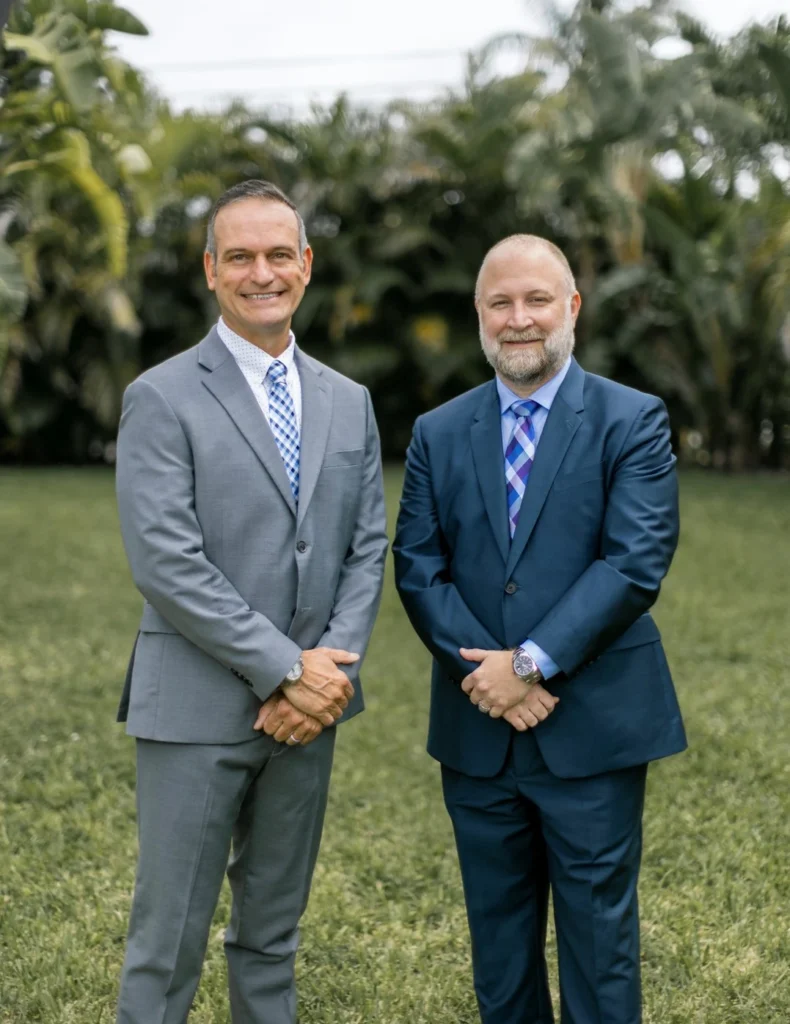
CARLOS D. CABRERA, ESQ.
Lead Property Damage Attorney
24 Years Experience | Former Insurance Defense Counsel | Million Dollar Advocates Forum | Florida Legal Elite | Bilingual (English/Spanish)
Page reviewed and approved by Carlos D. Cabrera, Esq., Florida-licensed property damage attorney with 24 years of experience.
Carlos D. Cabrera is Florida Advocates’ lead property damage attorney, bringing 24 years of experience and a rare perspective — he spent years defending insurance companies before switching to represent the policyholders they denied. He has recovered millions of dollars for Florida homeowners, condo owners, and businesses whose insurance claims were denied, delayed, or underpaid. Carlos is a member of the prestigious Million Dollar Advocates Forum, has been recognized by Florida Legal Elite, and is fully bilingual in English and Spanish, allowing him to serve Florida’s diverse communities.
Notable Results:
- $3,000,000 — Condo fire damage recovery
- $1,000,000 — Waterfront restaurant hurricane claim
- $750,000 — Restaurant fire (neighboring property fault)
SETTLEMENT RESULTS
What Happens When Underpaid Claims Are Properly Challenged
- These results show how far the gap can be between an insurer's first offer and what the claim was actually worth.

Property Damage
Property Damage
Property Damage
- Attorney Advertising. Prior results do not guarantee a similar outcome.
Underpaid Hurricane Claim Questions — What Florida Homeowners Need to Know

Carlos D. Cabrera, ESQ.
Florida Advocates,
Why did my insurer pay so little for hurricane damage?
Insurers often rely on internal estimating software and cost controls that do not reflect real repair pricing. They may limit scope, downgrade materials, or classify damage in ways that reduce payout. In hurricane claims, wind damage is often minimized or partially excluded. This creates a gap between actual repair costs and the insurer’s estimate. A detailed review usually reveals where the underpayment occurred.
Can I challenge a low hurricane insurance payout?
Yes. You can file a supplemental claim supported by additional documentation such as contractor estimates, photos, and engineering reports. This forces the insurer to reassess the claim. Many underpaid claims are corrected through this process without immediate litigation. If disputes remain, appraisal or legal action may follow. Acting quickly is important due to strict deadlines.
Is a quick inspection enough to determine payout?
No. Hurricane damage often involves structural and hidden issues that cannot be identified in a brief inspection. A proper evaluation includes roof, interior, and structural analysis supported by documentation. If your insurer conducted a short or surface-level inspection, the payout likely reflects incomplete findings. This can support a bad faith argument if the claim handling was inadequate.
What if my contractor estimate is much higher than the insurance payout?
This is common. Contractor estimates reflect real-world repair costs, while insurer estimates may be limited by pricing software or scope restrictions. You can submit the contractor estimate as part of a supplemental claim. An attorney can also challenge the insurer’s scope and push for a corrected valuation. Accepting a low payment without review may limit future recovery options.
Can I reopen a hurricane claim after accepting payment?
In many cases, yes — especially if the payment was partial. Florida law allows supplemental claims within specific timeframes, typically up to 18 months. However, signing certain releases may affect your rights. The exact answer depends on your policy and what documents you signed. Immediate review is recommended before assuming the claim is closed.
What makes Florida Advocates different for underpaid hurricane claims?
The firm approaches claims using both legal strategy and technical analysis. Carlos Cabrera’s background in insurance defense provides insight into how payouts are calculated and reduced. Independent engineering and storm data are used to rebuild the claim accurately. This combination allows underpayments to be challenged with evidence — not just argument. The no win, no fee model ensures access without upfront cost.
No Fee Unless We Win
We work on a contingency fee basis:
- Free consultation — no cost to speak with us
- No upfront fees — we advance all case costs
- No attorney fees unless we recover for you
- You will never receive a bill from us while your case is active
Florida Advocates Office Locations
Dania Beach (Headquarters)
45 E Sheridan Street, Dania Beach, FL 33004
North Miami
13499 Biscayne Blvd #107, North Miami, FL 33181
Tampa
238 E Davis Blvd #210, Tampa, FL 33606
Phone: 754-263-4252
Hours: Monday – Friday 9:00 AM – 5:00 PM
Available by phone 24/7 for emergencies
Hurricane Damage Lawyers by Location
We represent commercial property owners and businesses throughout Florida:
Broward County
- Fort Lauderdale
- Dania Beach
- Hollywood
- Broward County
Miami-Dade County
- Miami
- North Miami
- Miami Beach
- Hialeah
Palm Beach County
- West Palm Beach
- Boca Raton
- Palm Beach County
Tampa Bay Area
- Tampa
- St. Petersburg
- Hillsborough County
Northeast Florida
- Jacksonville
- Duval County
Treasure Coast
- Port St. Lucie
- Fort Pierce
- Martin County
Orlando / Central Florida
- Orlando
- Orange County
- Seminole County
Southwest Florida
- Fort Myers
- Naples
- Cape Coral
- Lee County