Florida Negligent Neighbor Property Damage Lawyers — When Your Neighbor's Actions Damage Your Home
Helping Florida homeowners pursue compensation for property damage caused by negligent neighbors, including water intrusion, drainage failures, tree falls, and other preventable incidents.
24+ years of insurance claim litigation experience
Pool Overflow Flooding Settlement
Condo Flooding Settlement

Negligent Neighbor Property Damage Lawyers — FLORIDA
Is Your Negligent Neighbor Property Damage Claim Missing the Full Extent of Your Losses?
Damage caused by a negligent neighbor often goes beyond what is immediately visible. Water intrusion, fire and smoke damage, fallen trees, construction-related impacts, or other neighboring property issues can affect structural components, interior finishes, personal property, and even create hidden problems that worsen over time. Yet many claims are evaluated based on limited inspections or incomplete assessments, leaving property owners with settlements that fail to account for the full scope of the damage and the true cost of restoring their property.
Page reviewed and approved by Carlos D. Cabrera, Esq., Florida-licensed property damage attorney with 24 years of HOA, COA, and condominium property damage claim experience.
26+ Years Experience
$100M+ Recovered
Former Insurance Defense Attorneys
No Win, No Fee
Free Consultation
Florida Neighbor Property Damage Law — What You Need to Know
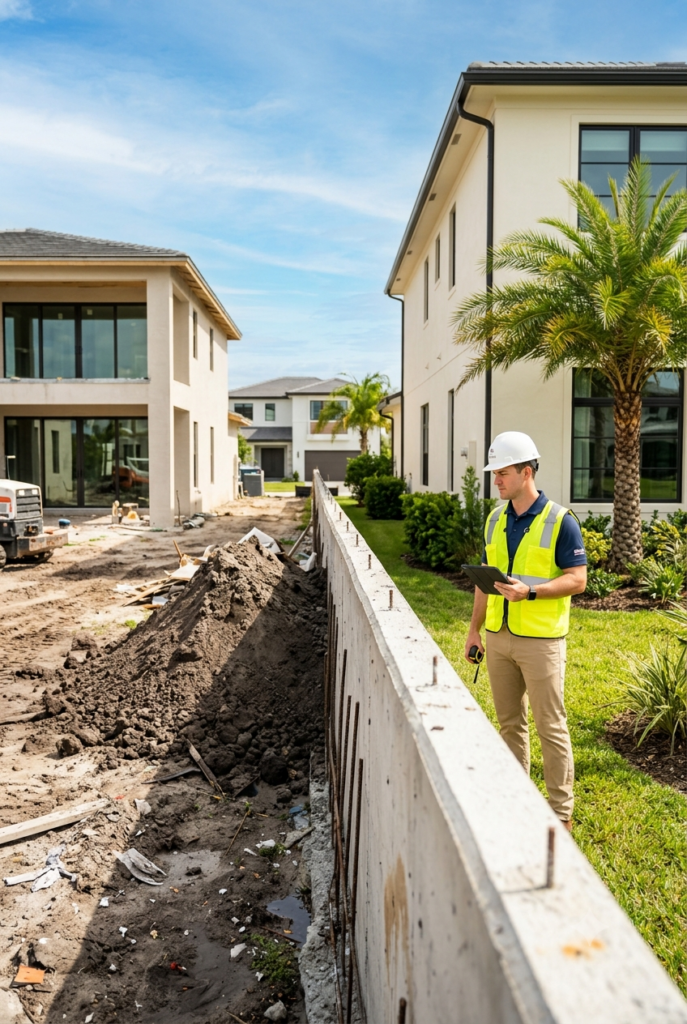
Florida law gives property owners specific rights when a neighbor’s negligence, carelessness, or failure to maintain their property causes damage to your home or business. Three legal theories most commonly apply — and understanding which one fits your situation is the first step toward recovery.
Negligence

Applies when your neighbor failed to exercise reasonable care in maintaining their property or conducting activities that could affect neighboring properties. A neighbor who ignores a visibly dead tree, allows water to pool against your shared wall, or permits their contractor to work negligently on a shared roof is potentially liable under negligence.
Private Nuisance
Trespass to Land

The Role of HOAs and COAs in Neighbor Damage Cases
How Florida Advocates Handles Your Neighbor Damage Claim
Free Claim Review
We review your situation at no cost — the damage, the source, the neighbor’s property condition, and any prior notices you gave. We tell you honestly what claims are available and what the realistic recovery looks like.
Evidence Preservation
We move quickly to document everything before evidence disappears. In tree cases, the stump and root system need to be inspected by an arborist before the property is cleared. In flooding cases, the drainage pattern needs to be documented before any construction changes it. Time matters.
Independent Assessment
We work with licensed engineers, arborists, contractors, and damage assessors who inspect the property without any financial incentive to minimize the damage. Their findings form the factual foundation of your claim.
Insurance Claims Filed
We file claims with all available insurers — your neighbor’s liability insurer, your own property insurer, and the association’s master policy where applicable — and manage all communications so you are never pressured or recorded.
Negotiation
Litigation When Necessary
Proven Results: Neighbor-Caused Property Damage Cases
Pool Overflow Caused by Negligent Maintenance
Condo
COA found negligent for hiring unqualified pool cleaning contractor. Pool overflow flooded units below. Full settlement.
Condo Flooded by Neighbor’s Roof Replacement Work
Flooding caused by contractor hired by COA. Proved COA’s negligence in contractor selection and oversight.
HOA Negligence
Water and Mold Damage
HOA’s improper response to water damage from common area led to mold contamination. HOA offered $14,000. Settled for full amount.
Past results do not guarantee future outcomes. Every case is evaluated on its individual facts.
Florida Neighbor Negligence Law — What You Need to Know
Under Florida law, a property owner can be held legally responsible for damage to neighboring properties when they knew or should have known about a dangerous condition on their property and failed to take reasonable steps to address it. The legal theories that most commonly apply to neighbor-caused property damage include negligence, nuisance, and trespass.
Negligence applies when a neighbor failed to exercise reasonable care in maintaining their property or in undertaking activities that could affect neighboring properties. Nuisance applies when a neighbor’s use of their property unreasonably interferes with your ability to use and enjoy your own. Trespass applies when a physical object — water, tree branches, debris — crosses onto your property and causes damage.
Trees are one of the most common sources of neighbor-caused property damage in Florida — particularly after hurricanes and tropical storms. Florida courts have established that a neighbor can be liable for damage caused by a falling tree if they had notice of the tree’s dangerous condition and failed to act. If you notified your neighbor that their tree was dead, diseased, or structurally unsound before it fell, that notice is significant evidence of their negligence.
If your neighbor’s tree falls on your property during a storm, the liability analysis depends on whether the tree was in a dangerous condition that the neighbor knew about or should have known about. A tree that falls due purely to an extraordinary storm event — with no prior warning signs — is treated differently than a tree whose deteriorated condition was visible for months before it fell.
Florida property owners have obligations related to how water flows from their property to neighboring properties. Altering the natural drainage pattern of your land in ways that cause water to flood your neighbor’s property can create liability. Common sources of neighbor flooding include improperly installed or maintained drainage systems, ground elevation changes, construction that redirects water flow, and broken or overflowing plumbing or pools.
In condominium and planned community settings, the HOA or COA often plays a role in neighbor-caused property damage — either because the damaging condition involved common areas, because the association was responsible for maintaining the offending element (trees, drainage, pool), or because the association failed to enforce rules that would have prevented the damage. When an HOA or COA’s negligence contributed to your damage, they may be liable alongside or instead of your individual neighbor.
Common Types of Neighbor-Caused Property Damage We Handle
Neighbor's tree or branches falling on your home, fence, vehicle, or property
Flooding or water intrusion from neighbor's drainage alteration
Pool, spa, or water feature overflow flooding your unit or yard
Sewage backup from shared or neighboring plumbing
Fire or smoke damage originating from neighbor's property
Structural damage from neighbor's construction or excavation
Mold resulting from neighbor's water intrusion
HOA or COA negligence causing damage to your unit or property
Nuisance conditions creating ongoing damage to your property
Florida’s tropical climate, hurricane exposure, and fast-growing tree species make falling trees one of the most common sources of neighbor-caused property damage in the state. Whether a palm, oak, or pine falls on your roof, fence, vehicle, or outbuilding, the question of liability depends on whether your neighbor knew — or should have known — that the tree was in a dangerous condition before it fell.
If a tree was dead, diseased, leaning significantly, or had already dropped large branches, and your neighbor failed to address it, they may be liable for the resulting damage. If you previously notified your neighbor in writing about the tree’s condition, that notice is among the strongest evidence available in these cases. An arborist can inspect the stump and root system after the fact and provide an expert opinion on whether the tree was already deteriorated before the storm.
Florida property owners have a legal obligation not to alter drainage patterns on their land in ways that unreasonably cause water to flood neighboring properties. If your neighbor has installed drainage infrastructure, raised their yard elevation, added impervious surfaces such as a large patio or expanded driveway, or undertaken construction that redirected the natural flow of water onto your property, you may have a claim.
These cases typically require engineering evidence — a drainage expert who can document the historical water flow pattern versus the current condition and demonstrate how your neighbor’s changes caused the flooding you are experiencing.
Pool overflow is a significant source of property damage in Florida’s dense condo and townhome communities. When a pool or spa overflows — whether due to equipment failure, improper maintenance, or negligent operation — and water damages neighboring units or property, the pool owner, the property association, or the contractor responsible for maintenance may all bear liability depending on the circumstances.
When a neighbor’s plumbing failure or sewage backup causes contamination or water damage to your property — particularly in attached or semi-attached structures — the responsible party’s liability insurer and your own policy may both respond. Sewage-related damage often triggers mold remediation requirements that significantly increase the total cost of restoration.
When a fire originates on a neighbor’s property and spreads to yours, the neighbor’s liability insurer is typically the primary source of recovery — provided the fire resulted from negligence rather than an unforeseeable accident. One of our results includes a $750,000 recovery for a restaurant damaged by a fire that originated in a neighboring property due to faulty wiring — where a fire inspector’s findings established exactly how the fire started and spread.
A neighbor’s renovation or construction project can damage your property through vibration, excavation, removal of lateral support, or workers accessing your property without permission. These cases often involve both the neighbor and their contractor as potentially responsible parties.
Your Neighbor's Insurance vs Your Own — Which Applies?
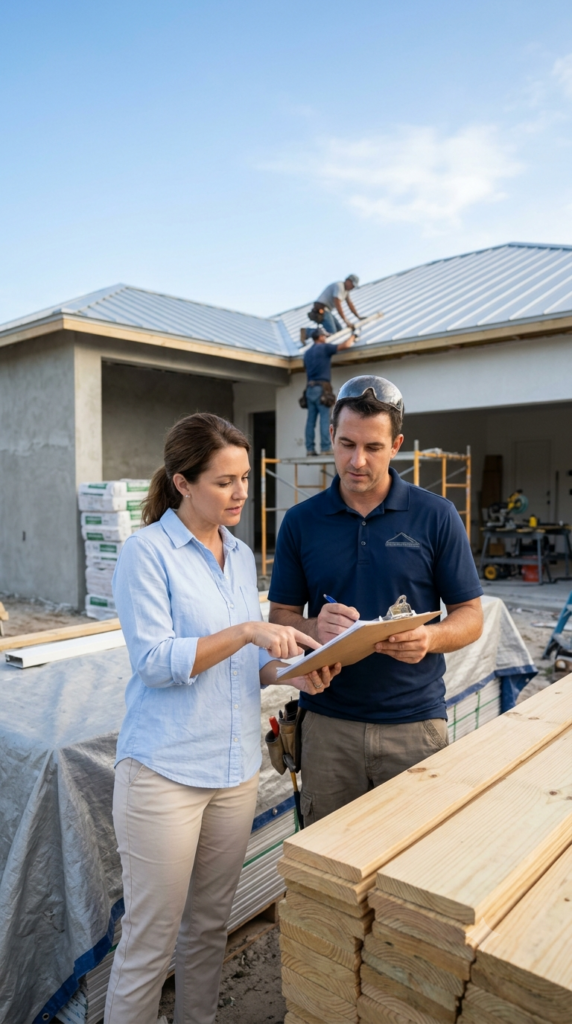
When a neighbor damages your property, there are typically two primary sources of insurance recovery: your neighbor’s homeowner’s insurance (under their liability coverage) and your own homeowner’s insurance (under your property damage coverage). Which is better depends on several factors: the strength of the negligence case against your neighbor, the coverage limits of each policy, and the specific circumstances of the damage.
In many cases, we pursue both simultaneously — making a claim against your own insurer for prompt payment and pursuing your neighbor’s liability insurer for full recovery. Your insurer then has the right to seek reimbursement from your neighbor’s insurer (subrogation), but that is their process — not yours. Your job is to get your home repaired. We handle the rest.
About Attorney Carlos D. Cabrera

Carlos D. Cabrera, ESQ.
Carlos D. Cabrera oversees the Property Damage Department at Florida Advocates. Before becoming a plaintiff’s attorney, Carlos worked defending insurance companies and gained firsthand knowledge of how insurers evaluate, delay, and undervalue property damage claims. He uses that inside knowledge to build cases that insurance companies take seriously — from initial claim through trial.
Carlos has recovered millions of dollars for Florida homeowners, condo owners, and businesses whose property damage insurance claims were denied, delayed, or underpaid. His background gives clients a distinct advantage: he has sat on the other side of the table, and he knows what insurers are looking for — and what they are hoping you will miss.
Education:
- J.D. — University of Florida College of Law
- Admitted to the Florida Bar
Court Admissions:
- Florida
- U.S. District Court, Southern District of Florida
- U.S. District Court, Middle District of Florida
- U.S. District Court, Northern District of Florida
Awards & Recognition:
- Million Dollar Advocates Forum — Member (reserved for attorneys who have won $1M+ settlements or verdicts)
- Multi-Million Dollar Advocates Forum — Member
- Florida Legal Elite Recognition
- Bilingual — English and Spanish
Professional Memberships:
- Broward County Bar Association
- Florida Bar
What to Do — And What NOT to Do — When a Neighbor Damages Your Property
CRITICAL
Document the damage thoroughly before any repairs begin. Photographs and video are critical. If a tree fell, photograph the tree stump or root condition — this may be key evidence of whether the tree was in a dangerous condition before the incident.
Do:
- Photograph and video the damage from every angle before anything is moved or repaired
- Photograph the source of the damage on the neighbor’s property — the dead tree stump, the broken drainage pipe, the overflowing pool
- Gather witness statements from anyone who can confirm the prior condition of the damaging element
- Preserve every piece of written communication you have had with your neighbor about the issue
- Notify your HOA or COA in writing if common areas are involved
- Contact Florida Advocates before you contact your neighbor, their insurer, or your own insurer
Do NOT:
- Allow the scene to be cleaned up or altered before it is properly documented
- Give a recorded statement to any insurance company without legal advice
- Sign any release or accept any payment without legal review
- Assume your neighbor’s insurer will treat you fairly — they represent your neighbor, not you
- Wait — evidence deteriorates, witnesses forget, and deadlines approach faster than most people realise
Frequently Asked Questions — Florida Business Interruption Insurance

Carlos D. Cabrera, ESQ.
Florida Advocates,
My neighbor's tree fell on my house. Is the neighbor responsible?
It depends on whether your neighbor knew — or should have known — that the tree was in a dangerous condition before it fell. If the tree was dead, diseased, or visibly unstable, and your neighbor failed to address it despite having knowledge of the condition, they may be liable for your damages. If you had previously notified your neighbor about the tree’s condition in writing, that notice is strong evidence. If the tree fell solely due to an extraordinary storm with no prior warning signs, liability is less clear. We evaluate each tree fall case on its specific facts.
My neighbor altered drainage on their property and now my yard floods every time it rains. Do I have a claim?
Yes, potentially. Florida property owners have a duty not to alter drainage patterns in ways that unreasonably flood neighboring properties. If your neighbor installed a drainage system, raised their yard elevation, added impervious surfaces, or undertook construction that changed the natural flow of water onto your property, you may have a claim in negligence or nuisance. Engineering evidence documenting the pre-existing drainage pattern versus the current condition is typically key to these cases.
The pool in the condo above me overflowed and damaged my unit. Who is responsible?
Potentially several parties: the unit owner responsible for the pool; the COA if the pool is a common element they maintain; and the contractor who last serviced the pool if improper maintenance caused the overflow. Our case results include a $123,000 recovery in exactly this scenario — where the COA was found negligent for hiring an unqualified pool maintenance contractor. We evaluate the chain of responsibility and pursue all viable parties.
My neighbor says the storm caused the tree to fall, not their negligence. How do I prove otherwise?
An arborist can inspect the tree stump and root system and provide an expert opinion on whether the tree was already in a deteriorated, dangerous condition before the storm. Evidence of prior visible deterioration — rotting, hollow sections, previous limb failures, lean — supports the case that the tree’s dangerous condition, not the storm alone, caused the damage. Prior written notices to the neighbor are also valuable. We work with arborists and structural engineers in these cases.
My HOA is refusing to take responsibility for flooding from the common area. What can I do?
HOAs and COAs in Florida have specific insurance and maintenance obligations under the Florida Condominium Act (Chapter 718) or the Florida Homeowners Association Act (Chapter 720) depending on the type of community. When an association’s failure to maintain common areas or properly insure results in damage to a unit owner’s property, the association may be directly liable. We have recovered significant settlements from HOAs and COAs who initially refused responsibility for common area-caused damage.
My own homeowner's insurance denied my claim for neighbor-caused damage. What are my options?
Your homeowner’s insurer’s denial does not end your options. You may have a separate claim against your neighbor’s liability insurance. You may also have grounds to challenge your own insurer’s denial if the damage falls within your coverage. We review both paths — the denial of your own claim and the independent claim against your neighbor or their insurer — and pursue the most effective route for your recovery.
How much does it cost to pursue a neighbor-caused property damage claim?
Nothing unless we recover for you. Free consultation, no upfront costs, no attorney fees unless we win. We evaluate both the direct negligence claim against your neighbor and the insurance coverage questions at no charge. Most neighbor-caused property damage cases are resolved through insurance claims rather than litigation — but when litigation is necessary, we handle it on contingency.
Damages You Can Pursue
- Full repair or replacement cost of all damaged property
- Mold remediation and secondary damage costs
- Temporary housing costs if your property is uninhabitable during restoration
- Personal property damaged in the incident
- Loss of use of your property during the repair period
- Loss of property value in appropriate cases
- Attorney’s fees in applicable bad faith situations
No Fee Unless We Win
We work on a contingency fee basis:
- Free consultation — no cost to speak with us
- No upfront fees — we advance all case costs
- No attorney fees unless we recover for you
- You will never receive a bill from us while your case is active

Florida Advocates Office Locations
Dania Beach (Headquarters)
45 E Sheridan Street, Dania Beach, FL 33004
North Miami
13499 Biscayne Blvd #107, North Miami, FL 33181
Tampa
238 E Davis Blvd #210, Tampa, FL 33606
Phone: 754-263-4252 | Hours: Monday – Friday 9:00 AM – 5:00 PM | Available by phone 24/7 for emergencies
Negligent Neighbor Property Damage Lawyers by Location
We represent commercial property owners and businesses throughout Florida:
Broward County
- Fort Lauderdale
- Dania Beach
- Hollywood
- Broward County
Miami-Dade County
- Miami
- North Miami
- Miami Beach
- Hialeah
Palm Beach County
- West Palm Beach
- Boca Raton
- Palm Beach County
Tampa Bay Area
- Tampa
- St. Petersburg
- Hillsborough County
Northeast Florida
- Jacksonville
- Duval County
Treasure Coast
- Port St. Lucie
- Fort Pierce
- Martin County
Orlando / Central Florida
- Orlando
- Orange County
- Seminole County
Southwest Florida
- Fort Myers
- Naples
- Cape Coral
- Lee County